Introduction
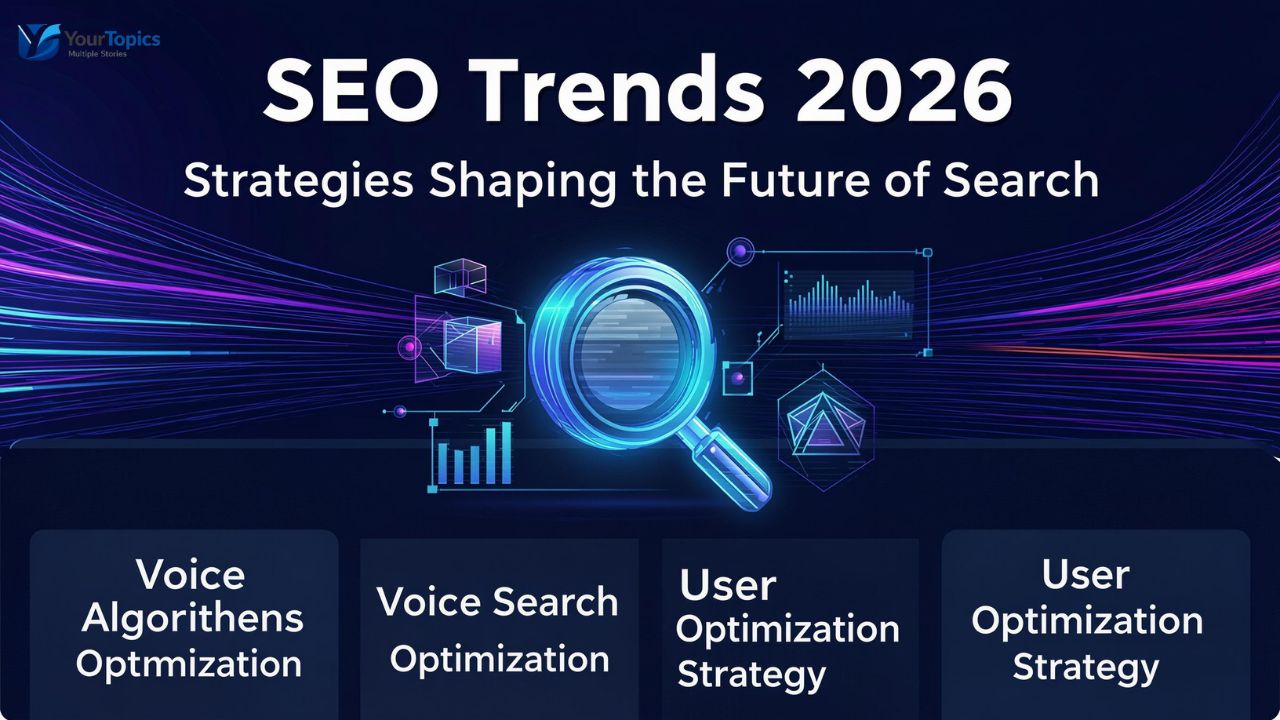
Search engines are evolving faster than ever. From artificial intelligence to voice assistants, the way people discover information online has dramatically changed in recent years. Understanding modern seo trends has become essential for businesses, marketers, and website owners who want to remain visible in search results.
Today, ranking on Google is no longer just about keywords and backlinks. Search engines now evaluate user intent, content quality, and overall experience. In other words, SEO has shifted from a purely technical practice to a sophisticated blend of strategy, technology, and human insight.
Whether you’re a digital marketer, business owner, or content creator, keeping up with the latest seo trends can give you a competitive edge. In this guide, we’ll explore the most important developments shaping the future of search and how you can adapt your strategy to stay ahead.
Understanding SEO Trends and Why They Matter
SEO trends represent the changing patterns in how search engines evaluate websites and how users interact with search results. Staying informed about these trends helps businesses align their strategies with what search engines prioritize.
Many marketers once believed SEO was simply about inserting keywords into content. However, modern SEO is much more sophisticated. Algorithms now analyze hundreds of ranking factors, including user behavior, website speed, expertise, and relevance.

For example, Google processes billions of searches every day. According to industry estimates, nearly 15% of these searches are completely new, meaning they have never been searched before. This highlights the importance of understanding evolving seo trends rather than relying on outdated tactics.
Why Businesses Must Follow SEO Trends
Several reasons explain why SEO trends are crucial:
- Search algorithms change frequently
- User search behavior constantly evolves
- Technology like AI reshapes search results
- Competitive markets demand smarter strategies
Companies that adapt quickly often gain a significant advantage in organic traffic and brand visibility.
The Evolution of Search Engine Optimization
SEO has transformed dramatically since the early days of the internet.
Early SEO Era (1990s–2005)
In the early days of search engines, ranking was relatively simple. Websites could rank by repeating keywords multiple times or building large numbers of low-quality backlinks.
Common early tactics included:
- Keyword stuffing
- Link farms
- Hidden text
- Exact match domains
While these techniques once worked, modern algorithms now penalize them.
The Algorithm Update Era
Over time, search engines introduced updates designed to improve result quality.
Important algorithm shifts included:
- Panda – targeted thin or duplicate content
- Penguin – reduced spammy backlinks
- Hummingbird – improved semantic search
- RankBrain – introduced machine learning
These updates changed SEO permanently by focusing on quality, relevance, and user intent.
AI and Machine Learning Transforming SEO
Artificial intelligence is one of the biggest forces shaping modern seo trends. Search engines now rely heavily on machine learning to interpret search queries and rank results.
Google’s RankBrain and other AI systems help search engines understand:
- User intent behind queries
- Context of words and phrases
- Search patterns and behavior
- Content relevance and usefulness
How AI Impacts SEO Strategy
AI-driven search means marketers must focus more on quality and context rather than simple keywords.
Effective strategies include:
- Writing natural, conversational content
- Answering user questions clearly
- Structuring content logically
- Using topic clusters instead of isolated keywords
For example, instead of writing separate pages for “SEO tips” and “SEO advice,” modern strategies build comprehensive topic hubs covering all related concepts.
Content Quality and Helpful Content Updates
Google has repeatedly emphasized one principle: create content for people, not search engines.
This philosophy drives many recent seo trends, especially with the introduction of Google’s Helpful Content System.
What Helpful Content Means
Helpful content provides:
- Accurate information
- Clear explanations
- Real expertise or experience
- Valuable insights beyond basic knowledge
Websites that publish thin or AI-generated spam content often lose visibility in search results.
Characteristics of High-Quality SEO Content
Strong content typically includes:
- Clear structure and readability
- Expert-level insights
- Updated information
- Practical examples
- Reliable sources
For instance, a travel blog that includes real photos, personal experiences, and detailed tips will usually outperform generic content.
Voice Search and Conversational Queries
Voice assistants like Alexa, Siri, and Google Assistant have changed how people search online.
Instead of typing short keywords, users now ask complete questions such as:
- “What are the best SEO tools for beginners?”
- “How can I improve my website ranking?”
This shift is shaping new seo trends focused on conversational search.

Optimizing for Voice Search
Voice search optimization often involves:
- Targeting long-tail keywords
- Answering questions clearly
- Using structured data markup
- Writing in natural language
Voice search is particularly important for mobile and local searches.
User Experience and Core Web Vitals
Google increasingly measures how users interact with websites.
Core Web Vitals are performance metrics that evaluate the overall user experience.
Key Core Web Vitals Metrics
| Metric | Description |
|---|---|
| LCP | Largest Contentful Paint measures loading speed |
| CLS | Cumulative Layout Shift measures visual stability |
| INP | Interaction to Next Paint measures responsiveness |
Websites that load slowly or shift elements unexpectedly often rank lower in search results.
Improving these metrics can significantly boost organic performance.
Mobile-First Indexing and Mobile SEO
Mobile devices now account for the majority of global internet traffic.
Because of this, Google switched to mobile-first indexing, meaning the mobile version of a website is used for ranking.
Mobile SEO Best Practices
To succeed with mobile SEO:
- Use responsive design
- Optimize page speed
- Avoid intrusive pop-ups
- Improve navigation and readability
Mobile optimization is one of the most critical seo trends for businesses targeting modern audiences.
Semantic Search and Search Intent
Semantic search focuses on understanding the meaning behind search queries.
Instead of matching exact keywords, search engines now analyze context.
Types of Search Intent
| Intent Type | Example |
|---|---|
| Informational | “What is SEO?” |
| Navigational | “Ahrefs login” |
| Transactional | “Buy SEO software” |
| Commercial | “Best SEO tools 2026” |
Understanding user intent allows marketers to create content that directly answers search queries.
This approach aligns closely with emerging seo trends emphasizing relevance over keyword density.
Video and Visual Search Optimization
Visual content is becoming increasingly important in search results.
Platforms like YouTube, TikTok, and Instagram have changed how people consume information.
Why Video SEO Matters
Video content can:
- Increase engagement
- Improve dwell time
- Capture traffic from video search platforms
Optimizing videos typically involves:
- Descriptive titles
- Keyword-rich descriptions
- Captions and transcripts
- Thumbnail optimization
Technical SEO and Website Performance
Technical SEO ensures search engines can efficiently crawl and index your website.
Without proper technical optimization, even the best content may struggle to rank.
Important Technical SEO Elements
- XML sitemaps
- Robots.txt configuration
- HTTPS security
- Schema markup
- Structured data
Fast, well-structured websites often perform better in search results.
The Role of E-E-A-T in Modern SEO
Google’s E-E-A-T framework stands for:
- Experience
- Expertise
- Authoritativeness
- Trustworthiness
These principles are increasingly important in modern seo trends.
How to Demonstrate E-E-A-T
Websites can build authority by:
- Publishing expert-written content
- Citing reliable sources
- Displaying author credentials
- Earning high-quality backlinks
Trust signals such as secure websites and transparent contact information also contribute to stronger rankings.
Local SEO and Hyperlocal Search Trends
Local search is crucial for businesses targeting specific geographic areas.
Searches like “coffee shop near me” or “best dentist in New York” demonstrate the importance of location-based results.
Local SEO Optimization Tips
Businesses should focus on:
- Google Business Profile optimization
- Customer reviews
- Local citations
- Location-specific keywords
Local search continues to evolve as mobile and voice technologies expand.
Personal Background and Career Path in SEO
Many professionals enter SEO through digital marketing or web development.
A typical career journey may include roles such as:
- Content strategist
- SEO analyst
- Technical SEO specialist
- Digital marketing manager
Some experienced SEO professionals eventually start agencies or consulting businesses.
Achievements and Financial Opportunities
SEO experts who build successful agencies or tools can earn substantial income. Industry estimates suggest experienced SEO consultants may earn between $75,000 and $150,000 annually, while agency founders can generate significantly higher revenues.
The demand for SEO expertise continues to grow as businesses compete for visibility online.
FAQ
What are SEO trends?
SEO trends refer to the evolving strategies and technologies that influence how websites rank in search engine results.
Why are SEO trends important?
They help businesses adapt to algorithm changes and maintain visibility in search results.
How often do SEO trends change?
SEO trends can shift frequently due to search engine updates, user behavior changes, and new technologies.
Is AI replacing traditional SEO?
AI is transforming SEO but not replacing it. Instead, it helps search engines better understand content and user intent.
What is the most important SEO trend today?
Content quality combined with user experience is widely considered one of the most critical ranking factors.
Does voice search affect SEO?
Yes. Voice search encourages conversational queries and longer keywords.
Are backlinks still important?
High-quality backlinks remain a strong ranking factor, but they must be natural and authoritative.
What role does mobile SEO play?
Mobile optimization is essential because most searches now occur on mobile devices.
Conclusion
Search engine optimization continues to evolve rapidly. Modern seo trends emphasize quality content, user experience, and intelligent search algorithms rather than outdated tactics like keyword stuffing.
Businesses that understand these changes can build stronger digital strategies, attract more organic traffic, and remain competitive in an increasingly crowded online landscape.
Ultimately, successful SEO is about helping users find the information they need quickly and efficiently. By focusing on value, expertise, and relevance, websites can thrive in the future of search.