Introduction
Starting a business feels a lot like shouting into a crowded room—everyone’s talking, but no one’s really listening. That’s where inbound marketing for startups changes the game. Instead of interrupting people with ads, it pulls them in naturally by offering something valuable.
Think about it—when was the last time you clicked on a random ad versus reading a helpful blog or watching a useful video? Exactly. People today crave authenticity, and startups that understand this are the ones that grow faster and smarter.
Inbound marketing isn’t just a buzzword. It’s a mindset shift. For startups working with tight budgets and big dreams, it’s often the difference between burning cash and building sustainable growth.
What is Inbound Marketing for Startups
Inbound marketing is a strategy focused on attracting customers through valuable content and experiences tailored to them. Instead of pushing products, you pull people in.
For startups, this means creating blogs, videos, social posts, and resources that answer real problems your audience faces.
Simple Definition
Inbound marketing for startups is:
- Creating helpful content
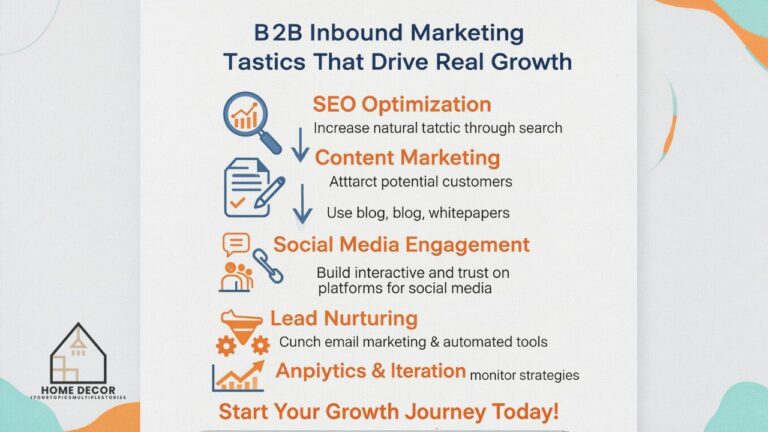
- Optimizing for search engines
- Engaging audiences on social media
- Turning visitors into leads and customers
Why It’s Different from Traditional Marketing
| Traditional Marketing | Inbound Marketing |
|---|---|
| Interruptive (ads) | Permission-based |
| Expensive | Cost-effective |
| Broad targeting | Highly targeted |
| Short-term results | Long-term growth |
Why Startups Need Inbound Marketing
Startups don’t have unlimited budgets. Every dollar matters. That’s why inbound marketing works so well—it compounds over time.
Key Benefits
- Low Cost, High ROI: Content keeps working long after it’s published
- Builds Trust: People trust helpful brands
- Scalable Growth: Organic traffic grows over time
- Better Leads: Attracts people already interested
A HubSpot report once showed that inbound leads cost 61% less than outbound leads. That’s a big deal for startups trying to survive early stages.
Core Components of Inbound Marketing
Understanding the building blocks of inbound marketing for startups is essential.
1. Content Creation
Blogs, videos, podcasts, guides—this is the heart of inbound.
2. SEO (Search Engine Optimization)
Helps your content get discovered on Google.
3. Social Media Engagement
Distributes your content and builds relationships.
4. Lead Capture
Landing pages, forms, and CTAs convert visitors into leads.
5. Email Marketing
Nurtures leads into paying customers.
Building an Inbound Strategy from Scratch
Starting from zero? That’s actually a great place to be.
Step-by-Step Framework
- Define Your Audience
- Who are they?
- What problems do they face?
- Set Clear Goals
- Traffic?
- Leads?
- Sales?
- Keyword Research
- Focus on long-tail keywords
- Identify search intent
- Create a Content Plan
- Blog posts
- Videos
- Case studies
- Distribution Strategy
- SEO
- Social media
- Measure & Improve
- Use analytics
- Adjust strategy regularly
Content Marketing Strategies That Work
Content is the fuel behind inbound marketing for startups.
Types of High-Performing Content
- How-to guides
- Case studies
- Listicles
- Tutorials
- Industry insights
Example
A SaaS startup writes a blog titled:
“10 Tools Every Remote Team Needs”
This attracts:
- Remote workers
- Team managers
- Business owners
Now they’re reaching their ideal audience organically.
Content Tips
- Solve real problems
- Write conversationally
- Use storytelling
- Keep it simple
SEO and Keyword Optimization for Startups
SEO is where inbound marketing becomes powerful.
Key SEO Elements
- Keyword Research: Find what people search
- On-Page SEO: Titles, headings, meta descriptions
- Technical SEO: Site speed, mobile optimization
- Backlinks: Build authority
LSI Keywords for Better Ranking
Use variations like:
- startup marketing strategies
- content marketing for startups
- digital growth for startups
- inbound lead generation
Pro Tip
Don’t chase high-volume keywords only. Focus on intent-driven keywords—they convert better.
Lead Generation and Conversion Tactics
Traffic is useless if it doesn’t convert.
Effective Lead Magnets
- Free ebooks
- Templates
- Webinars
- Checklists
Conversion Techniques
- Clear CTAs
- Landing pages
- Exit-intent popups
- Email signup forms
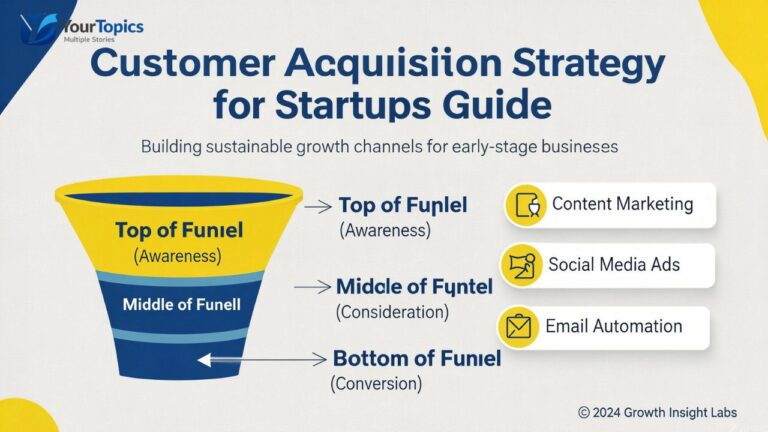
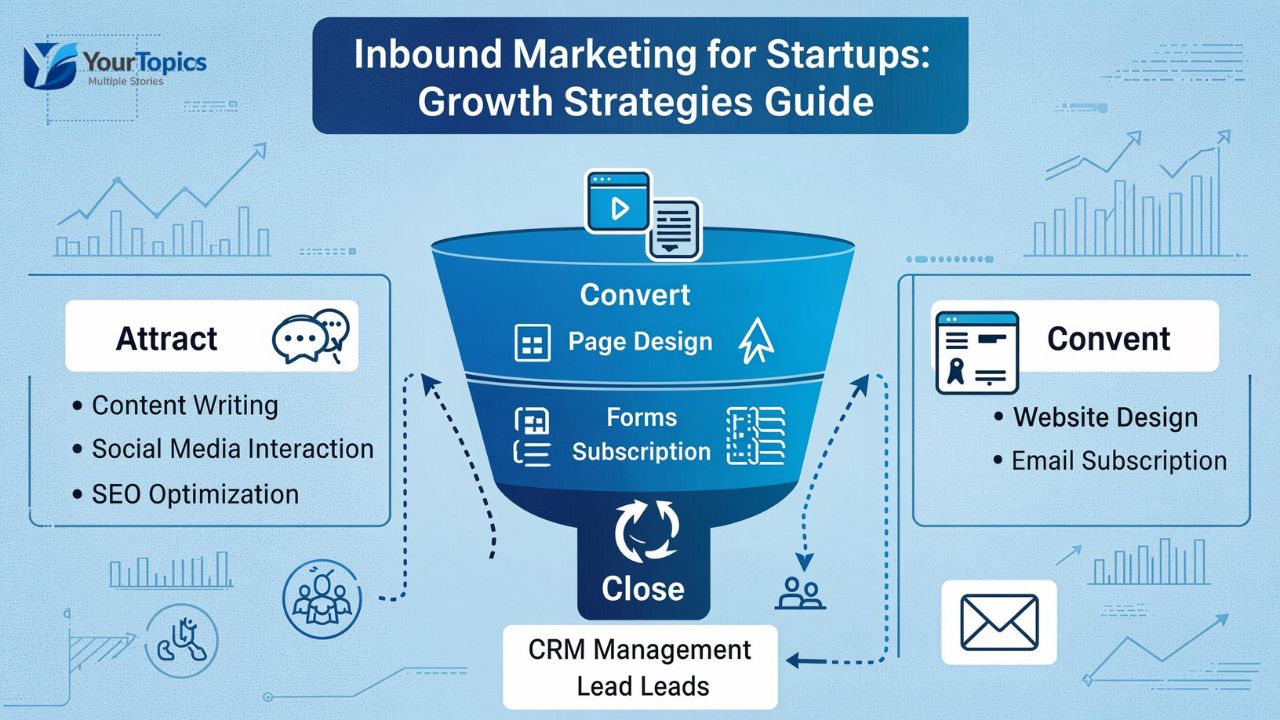
Example Funnel
- Blog post
- Free checklist download
- Email sequence
- Product offer
That’s inbound marketing working in action.
Tools and Platforms for Inbound Marketing
You don’t need a huge team—just the right tools.
Essential Tools
| Category | Tools |
|---|---|
| SEO | Ahrefs, SEMrush |
| Content | Grammarly, Notion |
| Mailchimp, ConvertKit | |
| Analytics | Google Analytics |
| CRM | HubSpot |
Real-Life Startup Success Stories
Example 1: Dropbox
Dropbox used referral programs and content to grow massively without heavy ad spending.
Example 2: Buffer
Buffer built its entire brand through blogging and transparency.
Example 3: HubSpot
They literally built the inbound marketing movement—and proved it works.
Personal Background: Growth of Inbound Marketing Experts
Many inbound marketing experts didn’t start as “gurus.” They started as curious marketers experimenting with content.
Career Journey
- Began with blogging
- Learned SEO through trial and error
- Built audiences organically
- Created courses and agencies
Achievements
- Millions of blog readers
- Successful SaaS products
- Recognized industry leaders
Financial Insights
Top inbound marketers often generate income through:
- Consulting
- Courses
- Affiliate marketing
- SaaS tools
Estimated net worth for leading experts ranges from $1M to $50M+, depending on business ventures.
Common Mistakes Startups Should Avoid
Even great startups make mistakes.
Top Pitfalls
- Ignoring SEO
- Publishing inconsistent content
- Focusing only on sales
- Not understanding audience
- Skipping analytics
Reality Check
Inbound marketing takes time. It’s not a quick win—but it’s a lasting one.
Measuring Success and ROI
If you can’t measure it, you can’t improve it.
Key Metrics
- Website traffic
- Conversion rate
- Cost per lead
- Customer acquisition cost (CAC)
- Lifetime value (LTV)
Tools for Tracking
- Google Analytics
- HubSpot dashboard
- CRM reports
FAQ
What is inbound marketing for startups?
How long does inbound marketing take to work?
Usually 3–6 months for noticeable results, but long-term growth is exponential.
Is inbound marketing expensive?
No, it’s more cost-effective than traditional advertising.
Can startups do inbound marketing without a team?
Yes. Many startups begin solo using tools and automation.
What type of content works best?
Educational, problem-solving, and actionable content performs best.
Do I need SEO for inbound marketing?
Absolutely. SEO is essential for visibility and organic traffic.
How often should startups publish content?
Consistency matters more than frequency—start with 1–2 posts per week.
What’s the biggest challenge in inbound marketing?
Patience. Results take time, but they compound.
Can inbound marketing replace paid ads?
Not entirely, but it can significantly reduce reliance on them.
Conclusion
Inbound marketing isn’t just another strategy—it’s a smarter way to grow. For startups, it levels the playing field, allowing smaller teams to compete with bigger brands.
By focusing on value, trust, and long-term relationships, inbound marketing for startups creates something powerful: sustainable growth.
It won’t happen overnight. But when it works—and it does—it feels less like marketing and more like momentum.