

Introduction
Ever had that uneasy feeling that your marketing budget is working… but you can’t prove how? One channel looks amazing in reports, another feels impactful in real life, and somehow the numbers never quite match the story. That confusion is exactly why marketing attribution tools have become a must-have for modern teams.
In reality, today’s customer journey is messy. People click ads on their phones, read reviews on laptops, abandon carts, come back through email, and finally convert days—or weeks—later. Without the right attribution setup, you’re left guessing which touchpoints actually deserve credit.
This topic matters because attribution isn’t just about reporting—it’s about confidence. When you understand what truly drives conversions, you stop wasting money, double down on what works, and make decisions that feel grounded instead of risky. Let’s unpack how attribution tools work, why they’re so powerful, and how to choose the right one for your business.
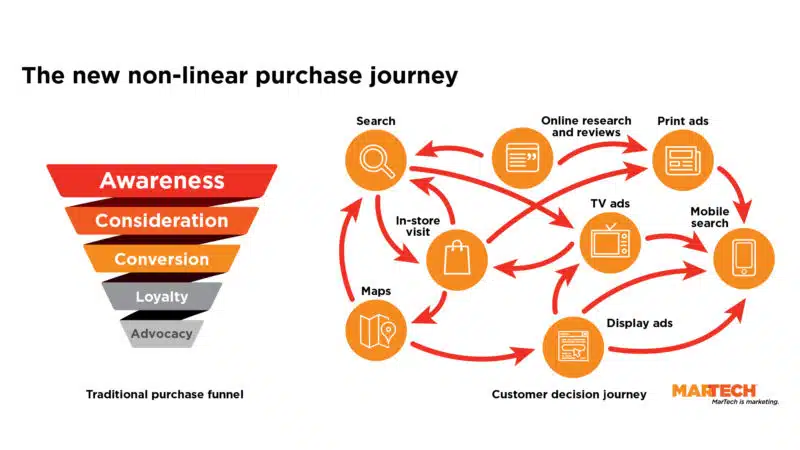
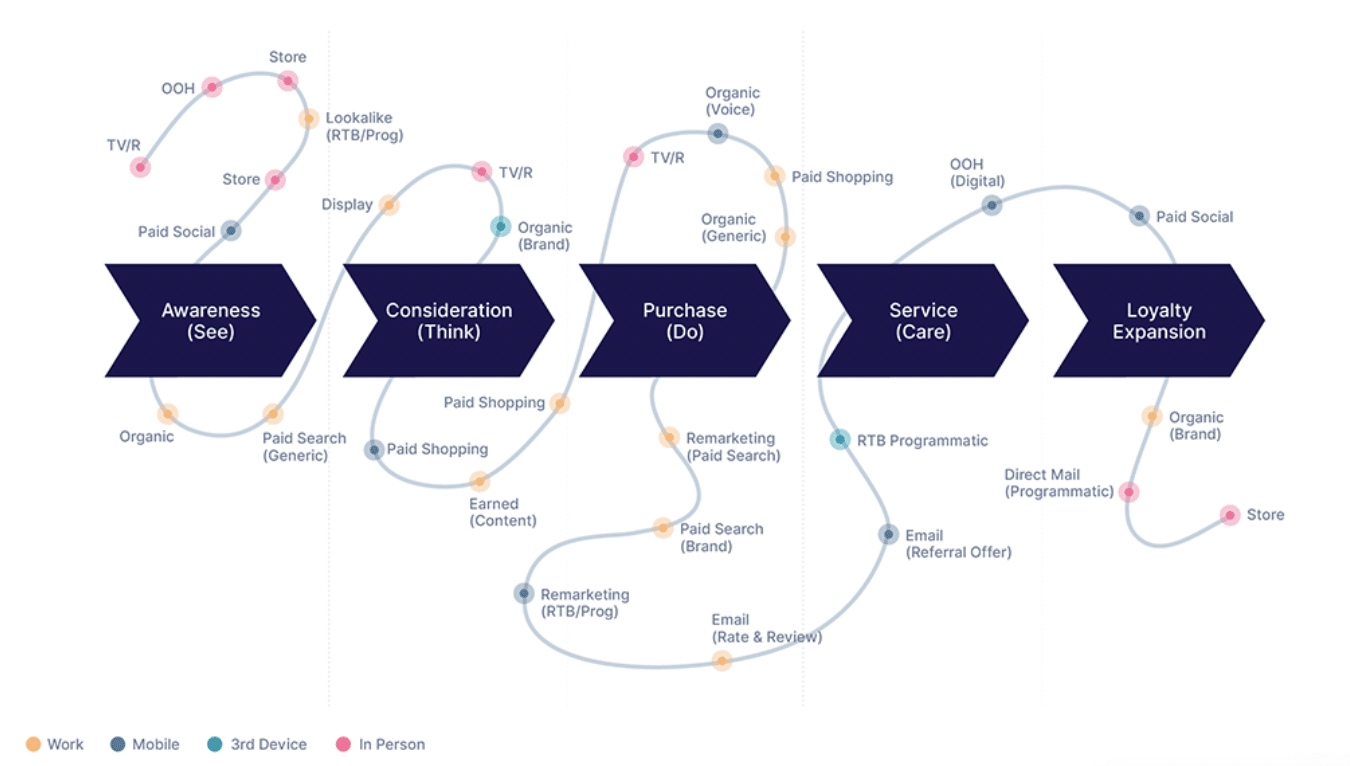
Table of Contents
Understanding Marketing Attribution
How Marketing Attribution Tools Work
Types of Attribution Models Explained
Why Marketing Attribution Tools Matter for Growth
Key Features to Look for in Marketing Attribution Tools
Comparing Popular Marketing Attribution Tools
Challenges and Limitations of Attribution
How to Choose the Right Attribution Tool
Personal Background: The Experts Behind Attribution Platforms
FAQ
Conclusion
Understanding Marketing Attribution
What marketing attribution really means
At its core, marketing attribution is the process of assigning credit to the touchpoints that influence a conversion. A conversion might be a sale, a demo request, a signup, or even a phone call. The challenge is that very few conversions happen after a single interaction.
Marketing attribution tools exist to untangle this complexity. They track user behavior across channels—paid ads, organic search, social media, email, referrals—and analyze how each interaction contributes to the final outcome.
Why attribution became a necessity, not a luxury
Ten years ago, a “last-click wins” approach felt good enough. Today, it’s dangerously misleading. According to industry studies, most buyers interact with a brand at least 6–8 times before converting. Ignoring those earlier interactions leads to underfunding awareness channels and over-crediting bottom-funnel tactics.
How Marketing Attribution Tools Work
Data collection across channels
Most attribution platforms start by collecting data from multiple sources:
- Ad platforms (Google Ads, Meta, LinkedIn)
- Website analytics
- CRM systems
- Email marketing tools
- Offline data like calls or in-store visits
This data is stitched together using identifiers such as cookies, user IDs, or hashed emails. The goal is to create a unified customer journey rather than isolated channel reports.
Identity resolution and journey mapping
One of the hardest problems attribution tools solve is identity resolution. A single user might appear as multiple “people” across devices. Advanced platforms use probabilistic and deterministic matching to connect those dots, revealing a more accurate path to conversion.
Types of Attribution Models Explained
First-touch attribution
This model gives 100% credit to the first interaction. It’s useful for understanding which channels introduce new prospects but ignores everything that happens afterward.
Last-touch attribution
Still widely used, this model assigns full credit to the final touchpoint before conversion. It’s simple but often misleading, especially for long buying cycles.
Linear attribution
Here, credit is evenly distributed across all touchpoints. While fair on the surface, it assumes every interaction has equal impact—which rarely reflects reality.
Time-decay attribution
Time-decay models give more weight to interactions closer to conversion. This approach acknowledges momentum but may undervalue early discovery efforts.
Position-based (U-shaped) attribution
Typically, 40% credit goes to the first and last touch, with the remaining 20% spread across the middle interactions. It’s a popular compromise model for many teams.
Data-driven attribution
This is where modern marketing attribution tools shine. Using algorithms and machine learning, data-driven models analyze historical patterns to determine how much each touchpoint truly influences conversions.
Why Marketing Attribution Tools Matter for Growth
Smarter budget allocation
When you know which channels assist conversions—even if they don’t close the deal—you invest more strategically. This often leads to higher ROI without increasing total spend.
Clearer alignment between teams
Attribution reduces friction between marketing, sales, and leadership. Instead of arguing over whose channel “deserves” credit, teams rally around shared data.
Faster experimentation and optimization
With accurate attribution, you can confidently test new campaigns, pause underperforming channels, and scale winners faster than competitors still relying on gut feelings.
Key Features to Look for in Marketing Attribution Tools
Multi-touch attribution support
A strong platform should support multiple models, including data-driven options, so you can view performance from different perspectives.
Cross-device and cross-channel tracking
Customers don’t live in silos. Your attribution tool shouldn’t either. Look for robust identity resolution capabilities.
CRM and revenue integration
Attribution becomes exponentially more valuable when tied to actual revenue, not just clicks or leads.
Custom reporting and visualization
Clear dashboards, flexible filters, and export options make insights accessible to both analysts and executives.
Privacy and compliance readiness
With evolving data privacy laws, tools must handle consent management, data anonymization, and compliance gracefully.
Comparing Popular Marketing Attribution Tools
Entry-level solutions
Simpler tools often live inside analytics platforms. They’re affordable and easy to use but limited in cross-channel visibility.
Mid-market attribution platforms
These tools balance depth and usability. They typically offer multi-touch models, CRM integrations, and decent identity resolution.
Enterprise-grade attribution systems
Built for scale, enterprise tools handle massive data volumes, advanced modeling, and custom integrations—but often come with steep learning curves and costs.
Challenges and Limitations of Attribution
Data gaps and blind spots
No attribution system is perfect. Walled gardens, cookie restrictions, and offline interactions can still create blind spots.
Over-reliance on models
Attribution models are guides, not absolute truth. Smart marketers combine data insights with strategic judgment.
Implementation complexity
Poor setup leads to misleading results. Successful attribution requires clean data, clear goals, and ongoing maintenance.
How to Choose the Right Attribution Tool
Start with your business model
B2B companies with long sales cycles need different capabilities than ecommerce brands with quick conversions.
Evaluate internal resources
Advanced tools require skilled analysts. Be honest about your team’s capacity before committing.
Prioritize actionable insights
The best marketing attribution tools don’t just report—they influence decisions. If insights aren’t being used, the tool isn’t doing its job.
Personal Background: The Experts Behind Attribution Platforms
Many leading attribution platforms are built by former growth marketers, data scientists, and analytics engineers who experienced attribution pain firsthand. Their career journeys often start in performance marketing roles, where unclear reporting led to wasted budgets and internal tension.
Over time, these founders combined deep marketing knowledge with technical expertise to create tools that bridge the gap between data and decision-making. While net worth estimates vary widely, successful attribution platform founders often build eight-figure businesses by solving a problem every growing company eventually faces.
FAQ
Frequently Asked Questions
What are marketing attribution tools used for?
They help businesses understand which marketing channels and touchpoints contribute to conversions and revenue.
Are marketing attribution tools worth it for small businesses?
Yes, especially once you’re investing in multiple channels and need clarity on ROI.
How accurate are attribution models?
They’re directional, not perfect. Accuracy improves with better data quality and integration.
Can attribution tools track offline conversions?
Some advanced platforms can, especially when integrated with CRM or call-tracking systems.
How long does attribution setup take?
Basic setups can take days, while complex implementations may take weeks.
Do attribution tools replace analytics platforms?
No, they complement them by focusing specifically on cross-channel impact.
What’s the biggest mistake with attribution?
Relying on a single model without context or testing alternatives.
How often should attribution models be reviewed?
Quarterly reviews are common, but fast-growing teams may adjust monthly.
Conclusion
Attribution isn’t about chasing perfection—it’s about reducing uncertainty. When used thoughtfully, marketing attribution tools transform scattered data into clarity, helping teams spend smarter, grow faster, and argue less. In a world where every dollar counts, understanding what truly moves the needle isn’t optional anymore—it’s the edge that separates confident growth from costly guesswork.