
Introduction
Most businesses think they understand their customers—until a campaign flops, churn spikes, or growth stalls for no obvious reason. That’s usually the moment leaders realize that basic demographics aren’t enough anymore. Customers are more complex, more emotional, and far more unpredictable than age or location alone can explain.
This is where advanced customer segmentation changes the game. Instead of lumping people into broad buckets, it uncovers the motivations, behaviors, and patterns that actually drive decisions.
In reality, brands that segment customers deeply don’t just market better—they build stronger relationships, reduce waste, and grow with confidence. If you’ve ever wondered why two customers who look identical on paper behave completely differently, you’re in the right place.
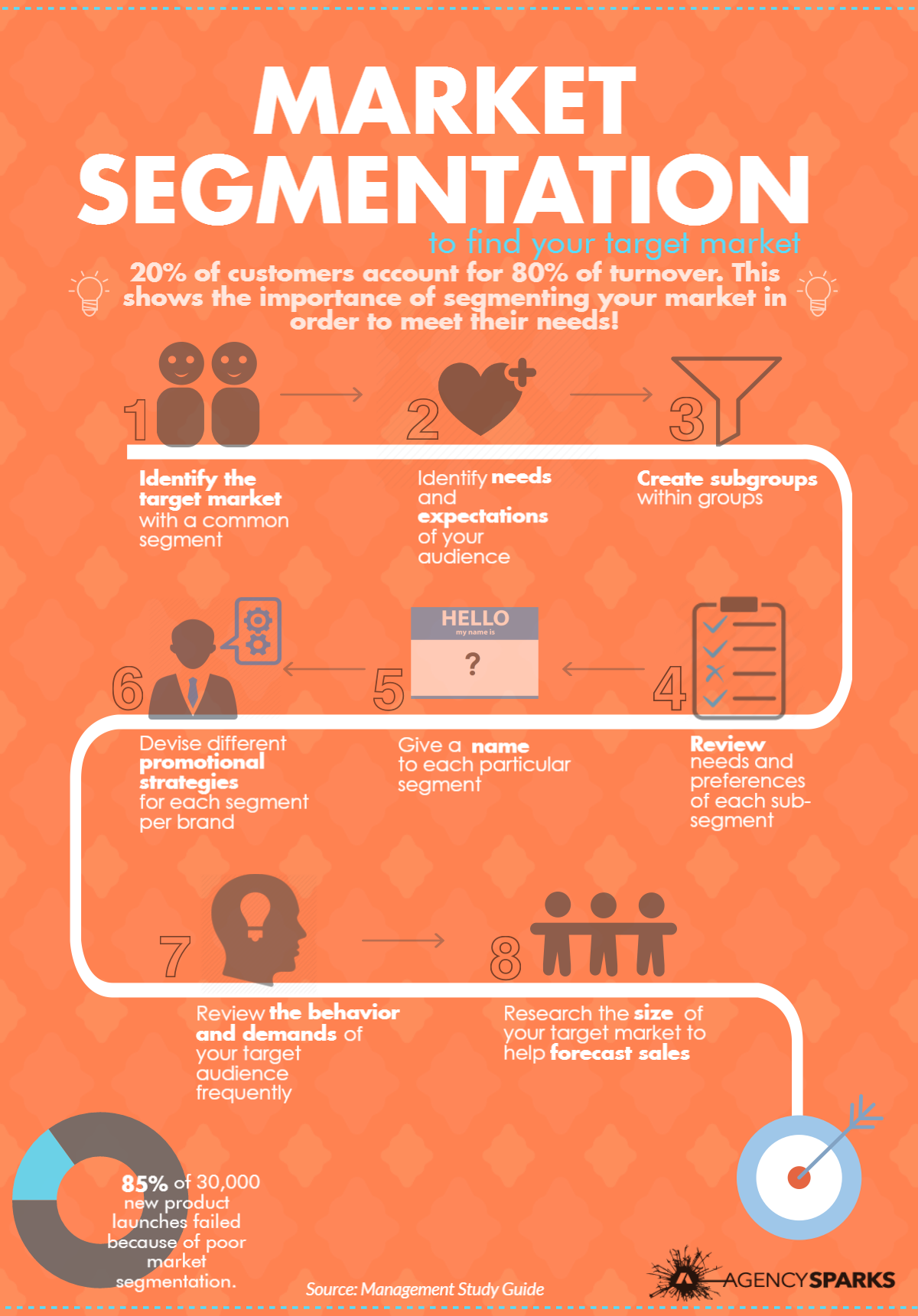


Table of Contents
Understanding Advanced Customer Segmentation
Why Advanced Customer Segmentation Matters Today
Core Data Types Behind Advanced Customer Segmentation
Advanced Customer Segmentation Models Explained
How AI and Machine Learning Power Advanced Customer Segmentation
Real-World Examples of Advanced Customer Segmentation
Common Challenges and How to Overcome Them
Building an Advanced Customer Segmentation Strategy Step by Step
Measuring Success and ROI
FAQ
Conclusion
Understanding Advanced Customer Segmentation
At its core, customer segmentation is about grouping people based on shared traits. What makes it advanced is the depth, intelligence, and adaptability behind those groupings.
What Makes Segmentation “Advanced”?
Traditional segmentation relies on static data like age, gender, or company size. Advanced approaches combine multiple data layers and evolve over time as customer behavior changes.
Advanced segmentation typically includes:
- Behavioral signals (purchases, clicks, engagement)
- Psychographic factors (values, interests, intent)
- Predictive indicators (likelihood to churn or convert)
- Contextual data (time, device, channel, environment)
When done right, advanced customer segmentation becomes a living system, not a one-time spreadsheet exercise.
Why Advanced Customer Segmentation Matters Today
Customers expect relevance. In fact, studies consistently show that over 70% of consumers feel frustrated when experiences feel impersonal. On the other hand, personalization driven by deeper segmentation can lift conversion rates by double digits.
The Cost of Getting It Wrong
Poor segmentation leads to:
- Wasted ad spend
- Generic messaging that gets ignored
- Lower lifetime value
- Higher churn rates
However, when brands invest in advanced segmentation, they gain clarity. Marketing stops being guesswork and starts feeling intentional.
Core Data Types Behind Advanced Customer Segmentation
Segmentation quality depends entirely on the data feeding it. Advanced strategies pull from multiple sources to create a 360-degree customer view.
Demographic and Firmographic Data
This is the foundation—age, income, job role, company size. It still matters, but it’s only the starting point.
Behavioral Data
Behavior tells the real story. Actions often reveal intent more accurately than stated preferences.
Examples include:
- Purchase frequency
- Feature usage
- Email opens and clicks
- Time spent on key pages
Psychographic Data
This layer captures why customers behave the way they do.
It includes:
- Values and beliefs
- Lifestyle choices
- Attitudes toward risk or innovation
Transactional and Value-Based Data
Not all customers contribute equally to revenue. Segmenting by:
- Average order value
- Customer lifetime value
- Discount sensitivity
helps prioritize high-impact relationships.
Advanced Customer Segmentation Models Explained
Different business goals require different segmentation models. The most effective organizations often combine several.
Behavioral Segmentation Models
These focus on customer actions rather than attributes. For example, a SaaS company might segment users by onboarding completion or feature adoption.
Predictive Segmentation
Using historical data, predictive models estimate future outcomes like:
- Probability of churn
- Likelihood to upgrade
- Expected lifetime value
This approach allows teams to act before problems appear.
RFM Analysis (Recency, Frequency, Monetary)
RFM remains powerful when enhanced with modern analytics. It identifies:
- Loyal customers
- At-risk customers
- One-time buyers
Needs-Based Segmentation
Instead of grouping by who customers are, this model groups by what they need to solve. It’s especially effective in B2B and complex buying cycles.
How AI and Machine Learning Power Advanced Customer Segmentation
Manual segmentation simply can’t keep up with today’s data volume. AI changes that.
Pattern Recognition at Scale
Machine learning algorithms can detect subtle patterns humans would never notice, such as micro-behaviors that signal buying intent.
Real-Time Segmentation
AI enables segments to update instantly as customer behavior changes. Someone browsing pricing pages today may belong to a completely different segment tomorrow.
Reduced Bias and Better Accuracy
While humans bring assumptions, algorithms rely on evidence. This leads to more objective segmentation outcomes—when models are trained responsibly.
Real-World Examples of Advanced Customer Segmentation
Theory only goes so far. Let’s look at how this works in practice.
E-Commerce Brand: Reducing Cart Abandonment
An online retailer used behavioral segmentation to identify customers who abandoned carts repeatedly. By separating price-sensitive shoppers from indecisive ones, they tailored messaging—discounts for some, reassurance for others. The result was a 22% lift in recovered sales.
B2B SaaS Company: Improving Retention
A SaaS platform segmented users based on feature usage and support interactions. Predictive models flagged accounts at risk of churn, allowing proactive outreach that reduced churn by nearly 15%.
Financial Services: Personalizing Offers
A financial institution combined transaction history with life-stage data to deliver hyper-relevant product recommendations, improving cross-sell performance without increasing acquisition costs.
Common Challenges and How to Overcome Them
Even the best strategies face obstacles.
Data Silos
Disconnected systems create incomplete customer views. Integrating CRM, analytics, and support platforms is critical.
Over-Segmentation
Too many segments can paralyze execution. The goal is clarity, not complexity.
Privacy and Compliance Concerns
Responsible segmentation respects data protection laws and customer trust. Transparency and consent are non-negotiable.
Building an Advanced Customer Segmentation Strategy Step by Step
A strong strategy balances ambition with practicality.
Step 1: Define Clear Business Objectives
Are you trying to increase retention, improve conversion, or expand accounts? Segmentation should always serve a goal.
Step 2: Audit and Clean Your Data
Poor data quality undermines even the most sophisticated models.
Step 3: Choose the Right Segmentation Models
Not every model fits every business. Start simple and layer complexity gradually.
Step 4: Test, Learn, and Iterate
Segmentation isn’t static. Regular testing keeps insights fresh and relevant.
Step 5: Activate Across Teams
The real value of advanced customer segmentation appears when marketing, sales, and product teams all act on the same insights.
Measuring Success and ROI
Segmentation success should be measurable.
Key metrics include:
- Conversion rate lift
- Customer lifetime value growth
- Reduced churn
- Engagement improvements
If segments aren’t influencing decisions or outcomes, they need refinement.
FAQ
What is advanced customer segmentation?
Advanced customer segmentation is a data-driven approach that groups customers using behavioral, psychographic, and predictive insights rather than basic demographics alone.
How is advanced customer segmentation different from traditional segmentation?
Traditional segmentation is static and surface-level, while advanced approaches adapt in real time and reflect deeper customer motivations.
Is advanced customer segmentation only for large companies?
No. While larger firms have more data, smaller businesses can still benefit by focusing on high-impact behavioral insights.
What tools are used for advanced customer segmentation?
Common tools include CRM platforms, customer data platforms, analytics software, and machine learning models.
How often should customer segments be updated?
Ideally, segments should update continuously or at least quarterly, depending on data velocity.
Does advanced customer segmentation improve personalization?
Yes. It enables messaging, offers, and experiences that feel genuinely relevant rather than generic.
What data privacy issues should be considered?
Businesses must comply with regulations, secure customer data, and maintain transparency about data usage.
Conclusion
Advanced customer segmentation isn’t about complexity for its own sake—it’s about empathy at scale. When businesses truly understand what drives their customers, decisions become clearer, marketing feels more human, and growth becomes sustainable.
In a crowded, noisy marketplace, relevance is everything. Brands that invest in deeper segmentation don’t just keep up—they stand out, build trust, and earn loyalty that lasts.